
아레오바고(마르스 언덕)


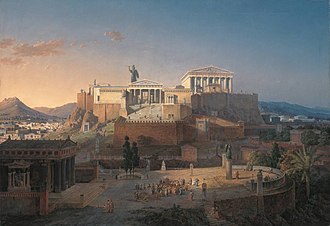


사진: Wikimedia Commons
아크로폴리스 서쪽 기슭의 이 나지막한 바위 언덕은 고대 아테네의 최고 법정 아레오바고가 열리던 곳으로, 로마인들은 전쟁의 신 이름을 따라 '마르스 언덕'이라 불렀다. 2차 선교여행 중이던 50년경, 바울은 우상으로 가득한 도시를 보고 마음에 격분하여 아고라에서 날마다 변론하다가 이 언덕으로 이끌려 왔다(행 17장). 그는 '알지 못하는 신에게'라 새겨진 제단을 실마리로 천지의 창조주 하나님을 선포하고, 헬라 시인들의 글귀까지 인용하며 회개와 부활하신 그리스도를 전했다. 에피쿠로스·스토아 철학자들 다수는 부활 이야기에 조롱으로 답했으나, 아레오바고 관리 디오누시오와 다마리라는 여인 등 몇 사람이 믿었다고 사도행전은 기록한다. 이 아레오바고 설교는 문화와 지성의 한복판에서 복음을 변증한 모범으로, 2천 년이 지난 지금도 선교와 변증의 교과서로 읽힌다. 언덕 초입의 바위벽에는 바울 설교 전문이 새겨진 그리스어 동판이 부착되어 있으니 찾아보라. 미끄럽게 닳은 바위 위에 올라 아크로폴리스와 고대 아고라를 배경으로 사도행전 17장을 소리 내어 읽어 보면, 그날의 설교가 살아서 들려오는 듯하다.
Areopagus, Athens — Athens
This low rocky outcrop below the Acropolis was the seat of Athens' venerable court, the Areopagus, which the Romans called Mars Hill. Around AD 50, during his second missionary journey, Paul — provoked by the city's idols and debating daily in the agora — was brought here, where he took the altar 'to an unknown god' as his starting point to proclaim the Creator, quote the Greeks' own poets, and call his hearers to repentance and faith in the risen Christ (Acts 17). Many Epicurean and Stoic philosophers mocked, but Dionysius the Areopagite, a woman named Damaris, and others believed. The Areopagus sermon remains the classic model of engaging culture and intellect with the gospel; a bronze plaque with its Greek text is set into the rock at the base. Climb the worn stone and read Acts 17 aloud with the Acropolis and the ancient agora spread around you.